Since the escalation of COVID-19 cases, malicious activity from cybercriminals is also on the rise.
Hackers are taking advantage of the coronavirus fear to carry out attacks. This is done by creating websites that claim to have cures for the virus or by spreading emails that contain links to malware.
Consider this research by Check Point, where they found an increase in coronavirus domain name registration. Most of these scam websites allege to be selling vaccines against the virus.
At the beginning of this year, one of the reported cases was the Emotet malware that was used in a coronavirus-themed campaign in Japan. Phishing victims received an email purporting to report locations where the infection was spreading. Because the email appeared to be an official communication from the government, victims were likely to open it to find out more about the information. However, an attempt to open a .docx document will download the Emotet malware to the victim’s computer.
Apart from a .docx, the attachment could be a .pdf or an .mp4 claiming to have instructions on how to protect against the virus or other related updates.
The case in Japan is among the first attacks on the public domain that came with the rise of the COVID-19. Since then as the coronavirus continued to spread, more data breach cases have been reported. According to Malwarebytes Labs director Jerome Segura, there is an increase in campaigns that use the coronavirus situation to trick victims. Segura reports that in March alone, there was a 26 percent increase in online credit card skimming as people did online shopping from the safety of their homes.
Even the World Health Organization has not been spared, as they recently reported a fivefold increase in cyberattacks. The attacks have increased such that there was a joint alert sent out by the United States Department of Homeland Security, the Cybersecurity and Infrastructure Security Agency, and the United Kingdom’s National Cyber Security Centre.
Unfortunately, the fact is it won’t get any better as more cybersecurity firms report an increase in attacks relating to the coronavirus outbreak. This is because attacks that are based on important events or occurrences such as the COVID-19 pandemic become effective as they leverage on the public’s need to know.
In matters of life and death, people tend to be less careful; and in an attempt to stay informed, they end up becoming victims of cybercriminals.
Apart from malware, there are fears that work-at-home directives also have led to an increase in data breaches. If you have a business, you probably have policies to help guard against cyberattacks. However, since the work-at-home situation was largely unplanned and employees are having to work from home, data can be easily leaked from the devices they use to connect to the office network.
It’s important to keep in mind that hackers love to take advantage of current events to trick their victims. Because of this, it’s expected that these attacks will increase in frequency – and this calls for users to be vigilant.
Although security systems might already be in place, none of them have the ability to deal with ever-increasing threats that have grown in sophistication. Email security remains one of the hardest challenges for employers. However, taking precautionary measures will help reduce the possibility of successful attacks.
Here are 10 ways to keep safe:
Avoid clicking on promotional links in emails.
Be careful when you receive emails with subject lines that include coronavirus or COVID-19 and have a call to action.
Be careful when clicking on pages with special offers, especially pages claiming to sell or know about the cure for the coronavirus.
Check domain names to verify their validity.
Be careful about clicking on links found on SMS that claim to come from institutions such as your credit company or bank; such links could activate the malware.
Make sure to use a virtual private network (VPN) – especially when working with sensitive data.
If you have a business and your employees are using corporate devices, enable remote wipe in case devices to get compromised or lost.
Limit the number of times you enter your credit card details online and confirm that the domain where you enter personal information is legitimate.
Hackers will continue to adjust their tactics; therefore, use trusted resources such as the Centers for Disease Control and Prevention for information on the coronavirus.
Use strong passwords.
Heightened Hacking as Corona Pandemic Worsens; How to Avoid Being a Victim
May 1, 2020 · Blog, What's New in Technology
⏱ 4 min read
Since the escalation of COVID-19 cases, malicious activity from cybercriminals is also on the rise.
Hackers are taking advantage of the coronavirus fear to carry out attacks. This is done by creating websites that claim to have cures for the virus or by spreading emails that contain links to malware.
Consider this research by Check Point, where they found an increase in coronavirus domain name registration. Most of these scam websites allege to be selling vaccines against the virus.
At the beginning of this year, one of the reported cases was the Emotet malware that was used in a coronavirus-themed campaign in Japan. Phishing victims received an email purporting to report locations where the infection was spreading. Because the email appeared to be an official communication from the government, victims were likely to open it to find out more about the information. However, an attempt to open a .docx document will download the Emotet malware to the victim’s computer.
Apart from a .docx, the attachment could be a .pdf or an .mp4 claiming to have instructions on how to protect against the virus or other related updates.
The case in Japan is among the first attacks on the public domain that came with the rise of the COVID-19. Since then as the coronavirus continued to spread, more data breach cases have been reported. According to Malwarebytes Labs director Jerome Segura, there is an increase in campaigns that use the coronavirus situation to trick victims. Segura reports that in March alone, there was a 26 percent increase in online credit card skimming as people did online shopping from the safety of their homes.
Even the World Health Organization has not been spared, as they recently reported a fivefold increase in cyberattacks. The attacks have increased such that there was a joint alert sent out by the United States Department of Homeland Security, the Cybersecurity and Infrastructure Security Agency, and the United Kingdom’s National Cyber Security Centre.
Unfortunately, the fact is it won’t get any better as more cybersecurity firms report an increase in attacks relating to the coronavirus outbreak. This is because attacks that are based on important events or occurrences such as the COVID-19 pandemic become effective as they leverage on the public’s need to know.
In matters of life and death, people tend to be less careful; and in an attempt to stay informed, they end up becoming victims of cybercriminals.
Apart from malware, there are fears that work-at-home directives also have led to an increase in data breaches. If you have a business, you probably have policies to help guard against cyberattacks. However, since the work-at-home situation was largely unplanned and employees are having to work from home, data can be easily leaked from the devices they use to connect to the office network.
It’s important to keep in mind that hackers love to take advantage of current events to trick their victims. Because of this, it’s expected that these attacks will increase in frequency – and this calls for users to be vigilant.
Although security systems might already be in place, none of them have the ability to deal with ever-increasing threats that have grown in sophistication. Email security remains one of the hardest challenges for employers. However, taking precautionary measures will help reduce the possibility of successful attacks.
Here are 10 ways to keep safe:
Avoid clicking on promotional links in emails.
Be careful when you receive emails with subject lines that include coronavirus or COVID-19 and have a call to action.
Be careful when clicking on pages with special offers, especially pages claiming to sell or know about the cure for the coronavirus.
Check domain names to verify their validity.
Be careful about clicking on links found on SMS that claim to come from institutions such as your credit company or bank; such links could activate the malware.
Make sure to use a virtual private network (VPN) – especially when working with sensitive data.
If you have a business and your employees are using corporate devices, enable remote wipe in case devices to get compromised or lost.
Limit the number of times you enter your credit card details online and confirm that the domain where you enter personal information is legitimate.
Hackers will continue to adjust their tactics; therefore, use trusted resources such as the Centers for Disease Control and Prevention for information on the coronavirus.
Use strong passwords.
Disclaimer
These articles provide general information on tax, accounting, and financial topics for small businesses and individuals. They are educational in nature and are not specific legal, accounting, financial, tax, or other professional advice, and should not be relied upon as such. This content was prepared by Service2Client and may have been reviewed or edited by the website owner for accuracy and compliance. Look for a trust mark below for verification details. No representation is made that any approach described will achieve a particular result, and no regulatory or professional body has reviewed or endorsed this content. Because each situation is different, readers should consult a qualified professional about their specific circumstances before acting. Images accompanying these articles are protected by copyright and may not be copied or reused.
Coronavirus Aid, Relief and Economic Security Act (HR 748) – This legislation provided $2 trillion of stimulus relief in response to the coronavirus crisis. Provisions of the bill include:
$1,200 for each American making up to $75,000 a year
Additional $600 a week in unemployment benefits for up to four months
$100 billion available for hospitals and health providers; increase Medicare reimbursements for treating COVID-19
$750 million for food banks and food assistance to American Indian reservations, Puerto Rico and other territories
$500 billion in loans or investments to businesses, states, and municipalities
$32 billion in grants to the airline industry
Relief for homeowners with federally backed mortgages
Delay for student loan payments
This bipartisan bill was signed into law by the president on March 27.
Secure 5G and Beyond Act of 2020 (S 893) – Sponsored by Sen. John Cornyn (R-TX), this bill authorizes the development of a strategy to secure and protect next-generation mobile telecommunications (5G) and future generations systems and infrastructure within the United States. These protections should include assistance via mutual defense treaty allies, strategic partners, and other countries to maximize security and operations, as well as protect U.S. competitiveness, consumer privacy and the integrity of regulatory bodies. The bill was introduced on March 27, 2019, and signed into law on March 23, 2020.
Broadband DATA Act (S 1822) – Sen. Roger Wicker (R-MS) introduced this legislation on June 12, 2019, and it was enacted by the president on March 23, 2020. The Act mandates that the Federal Communications Commission (FCC) change the way broadband data is collected, verified, and reported. Going forward, the FCC must collect and distribute broadband maps from wired, fixed-wireless, satellite, and mobile broadband providers by establishing the Broadband Serviceable Location Fabric (a dataset of geocoded information for all broadband service locations) as the centralized vehicle for reporting broadband service availability data.
Supporting Older Americans Act of 2020 (HR 4344) – This bill supports programs relating to care for the elderly, as administered by the Department of Health and Human Services and the Department of Labor. It reauthorizes funding through the fiscal year 2024 for informational services, such as pension counseling; nutritional services, such as meal delivery; disease prevention and health promotion services; community and workforce training for elder care; promotion of independent living and the reduction of social isolation for the elderly; as well as prevention services for abuse and neglect. The bill was introduced by Rep. Suzanne Bonamici (D-OR) on September 16, 2019, and signed into law by the president on March 25, 2020.
Citizenship for Children of Military Members and Civil Servants Act (HR 4803) – This bill was introduced on October 23, 2019, by Rep. Jerrold Nadler (D-NY). In an effort to clarify a rule change initiated by the Trump Administration, this bipartisan legislation guarantees citizenship for anyone born to a U.S. citizen parent stationed overseas, including military members and federal workers. The new law does not apply to children born to non-U.S. citizens stationed overseas working in a role on behalf of the United States.
More Coronavirus Relief, Plus Beefed-Up Security for Technology, the Elderly, and Children Born to U.S. Citizens Serving Overseas
May 1, 2020 · Blog, Congress at Work
⏱ 3 min read
Coronavirus Aid, Relief and Economic Security Act (HR 748) – This legislation provided $2 trillion of stimulus relief in response to the coronavirus crisis. Provisions of the bill include:
$1,200 for each American making up to $75,000 a year
Additional $600 a week in unemployment benefits for up to four months
$100 billion available for hospitals and health providers; increase Medicare reimbursements for treating COVID-19
$750 million for food banks and food assistance to American Indian reservations, Puerto Rico and other territories
$500 billion in loans or investments to businesses, states, and municipalities
$32 billion in grants to the airline industry
Relief for homeowners with federally backed mortgages
Delay for student loan payments
This bipartisan bill was signed into law by the president on March 27.
Secure 5G and Beyond Act of 2020 (S 893) – Sponsored by Sen. John Cornyn (R-TX), this bill authorizes the development of a strategy to secure and protect next-generation mobile telecommunications (5G) and future generations systems and infrastructure within the United States. These protections should include assistance via mutual defense treaty allies, strategic partners, and other countries to maximize security and operations, as well as protect U.S. competitiveness, consumer privacy and the integrity of regulatory bodies. The bill was introduced on March 27, 2019, and signed into law on March 23, 2020.
Broadband DATA Act (S 1822) – Sen. Roger Wicker (R-MS) introduced this legislation on June 12, 2019, and it was enacted by the president on March 23, 2020. The Act mandates that the Federal Communications Commission (FCC) change the way broadband data is collected, verified, and reported. Going forward, the FCC must collect and distribute broadband maps from wired, fixed-wireless, satellite, and mobile broadband providers by establishing the Broadband Serviceable Location Fabric (a dataset of geocoded information for all broadband service locations) as the centralized vehicle for reporting broadband service availability data.
Supporting Older Americans Act of 2020 (HR 4344) – This bill supports programs relating to care for the elderly, as administered by the Department of Health and Human Services and the Department of Labor. It reauthorizes funding through the fiscal year 2024 for informational services, such as pension counseling; nutritional services, such as meal delivery; disease prevention and health promotion services; community and workforce training for elder care; promotion of independent living and the reduction of social isolation for the elderly; as well as prevention services for abuse and neglect. The bill was introduced by Rep. Suzanne Bonamici (D-OR) on September 16, 2019, and signed into law by the president on March 25, 2020.
Citizenship for Children of Military Members and Civil Servants Act (HR 4803) – This bill was introduced on October 23, 2019, by Rep. Jerrold Nadler (D-NY). In an effort to clarify a rule change initiated by the Trump Administration, this bipartisan legislation guarantees citizenship for anyone born to a U.S. citizen parent stationed overseas, including military members and federal workers. The new law does not apply to children born to non-U.S. citizens stationed overseas working in a role on behalf of the United States.
Disclaimer
These articles provide general information on tax, accounting, and financial topics for small businesses and individuals. They are educational in nature and are not specific legal, accounting, financial, tax, or other professional advice, and should not be relied upon as such. This content was prepared by Service2Client and may have been reviewed or edited by the website owner for accuracy and compliance. Look for a trust mark below for verification details. No representation is made that any approach described will achieve a particular result, and no regulatory or professional body has reviewed or endorsed this content. Because each situation is different, readers should consult a qualified professional about their specific circumstances before acting. Images accompanying these articles are protected by copyright and may not be copied or reused.
So many checks and even more questions! There is a lot of confusion out there over the details surrounding the coronavirus stimulus checks, so below we’ve compiled a list of frequently asked questions and answers.
How much will the check be for? Each adult will receive $1,200; if you filed as married jointly, you’ll get $2,400; with an extra $500 for each qualifying child.
What if I didn’t make any money last year or I was on a reduced income? It doesn’t matter. There is no minimum income threshold you need to pass to qualify. However, if you did not file an income tax return for the 2018 or 2019 tax year, you’ll need to provide your information at the following link so the IRS knows where to send your stimulus money:
I heard that if I make too much money, I won’t receive a check? On the other end of the spectrum, there are income limits based on your tax filing status. If you are single and made more than $75k, married and earned more than $150k, or a head of household with more than $112.5k in adjusted gross income, your stimulus check amount will start to phase-out, and many above these incomes will not receive anything.
My income is under the threshold in 2018 but over in 2019. What are my options? In this case, you can wait to file your 2019 return and qualify to receive the check based on your 2018 tax return. This is easy to do this year given the automatic extensions granted for federal income tax returns.
In 2020, my income is going to be higher than in 2019 and put me above the thresholds. Will I have to pay back my stimulus check? No, there is no claw-back provision in the law, so you won’t have to pay it back.
Is my check taxable? No, it is not taxable income.
I didn’t need to file a tax return in 2018 or 2019 because my only source of income is Social Security Disability Income (SSDI) and my income was limited; do I have to file a return now to get a check? SSDI recipients don’t need to file a return or take additional action. Their checks will be direct deposited or sent via mail – the same way they normally receive their benefits.
I have a child in college who I claim as a dependent. Will either of us get a check? If your child is 18 years or older at the end of the tax year, you aren’t eligible for the $500 check due to his age – even if you claim him as a dependent. Your child likewise won’t get his own check since you claim him as a dependent – even if he works. There is a proposal to change this, but nothing firm currently.
What about a senior parent whom I claim as a dependent? The same rules as above apply, so no. In order to get the $500 check per dependent, the person must both qualify as a dependent and meet the age requirement. Similarly, the senior parent cannot get his own check since you are claiming him as a dependent.
We had a child in 2020. Will I receive a check for this child? Most likely not since the IRS would have no record of your new qualifying dependent based on your 2019 return.
How soon will I receive my check? The government is planning on processing and sending out checks as soon as possible. Based on what the U.S. Treasury has said, as soon as possible means starting to process taxpayer information in April. How soon you’ll receive your money after this depends on whether you’ve set up direct deposit with the government in the current or previous year tax filings. For taxpayers who don’t have direct deposit set up, go here to input your information so the IRS knows where to send your stimulus money:
I heard I can get my stimulus check faster if I pay to have it processed. Is this true? No, and beware because this is a scam. There is no legitimate way to skip to the head of the line.
What happens if I owe the IRS back taxes? The stimulus checks are generally exempt from seizure for existing tax debts. This includes if you are on an installment payment plan to settle a tax bill. The one exception to this possibly could be for child support in arrears.
IRS Source for Non-Filer/Direct Deposit Information:
Answers to Common Questions About the Coronavirus Stimulus Checks
April 14, 2020 · Blog, Guest Post of the Month
⏱ 5 min read
So many checks and even more questions! There is a lot of confusion out there over the details surrounding the coronavirus stimulus checks, so below we’ve compiled a list of frequently asked questions and answers.
How much will the check be for? Each adult will receive $1,200; if you filed as married jointly, you’ll get $2,400; with an extra $500 for each qualifying child.
What if I didn’t make any money last year or I was on a reduced income? It doesn’t matter. There is no minimum income threshold you need to pass to qualify. However, if you did not file an income tax return for the 2018 or 2019 tax year, you’ll need to provide your information at the following link so the IRS knows where to send your stimulus money:
I heard that if I make too much money, I won’t receive a check? On the other end of the spectrum, there are income limits based on your tax filing status. If you are single and made more than $75k, married and earned more than $150k, or a head of household with more than $112.5k in adjusted gross income, your stimulus check amount will start to phase-out, and many above these incomes will not receive anything.
My income is under the threshold in 2018 but over in 2019. What are my options? In this case, you can wait to file your 2019 return and qualify to receive the check based on your 2018 tax return. This is easy to do this year given the automatic extensions granted for federal income tax returns.
In 2020, my income is going to be higher than in 2019 and put me above the thresholds. Will I have to pay back my stimulus check? No, there is no claw-back provision in the law, so you won’t have to pay it back.
Is my check taxable? No, it is not taxable income.
I didn’t need to file a tax return in 2018 or 2019 because my only source of income is Social Security Disability Income (SSDI) and my income was limited; do I have to file a return now to get a check? SSDI recipients don’t need to file a return or take additional action. Their checks will be direct deposited or sent via mail – the same way they normally receive their benefits.
I have a child in college who I claim as a dependent. Will either of us get a check? If your child is 18 years or older at the end of the tax year, you aren’t eligible for the $500 check due to his age – even if you claim him as a dependent. Your child likewise won’t get his own check since you claim him as a dependent – even if he works. There is a proposal to change this, but nothing firm currently.
What about a senior parent whom I claim as a dependent? The same rules as above apply, so no. In order to get the $500 check per dependent, the person must both qualify as a dependent and meet the age requirement. Similarly, the senior parent cannot get his own check since you are claiming him as a dependent.
We had a child in 2020. Will I receive a check for this child? Most likely not since the IRS would have no record of your new qualifying dependent based on your 2019 return.
How soon will I receive my check? The government is planning on processing and sending out checks as soon as possible. Based on what the U.S. Treasury has said, as soon as possible means starting to process taxpayer information in April. How soon you’ll receive your money after this depends on whether you’ve set up direct deposit with the government in the current or previous year tax filings. For taxpayers who don’t have direct deposit set up, go here to input your information so the IRS knows where to send your stimulus money:
I heard I can get my stimulus check faster if I pay to have it processed. Is this true? No, and beware because this is a scam. There is no legitimate way to skip to the head of the line.
What happens if I owe the IRS back taxes? The stimulus checks are generally exempt from seizure for existing tax debts. This includes if you are on an installment payment plan to settle a tax bill. The one exception to this possibly could be for child support in arrears.
IRS Source for Non-Filer/Direct Deposit Information:
These articles provide general information on tax, accounting, and financial topics for small businesses and individuals. They are educational in nature and are not specific legal, accounting, financial, tax, or other professional advice, and should not be relied upon as such. This content was prepared by Service2Client and may have been reviewed or edited by the website owner for accuracy and compliance. Look for a trust mark below for verification details. No representation is made that any approach described will achieve a particular result, and no regulatory or professional body has reviewed or endorsed this content. Because each situation is different, readers should consult a qualified professional about their specific circumstances before acting. Images accompanying these articles are protected by copyright and may not be copied or reused.
During the holiday season in December, Congress passed the Consolidated Budget Appropriations Act of 2020. Included in this Act was a tax package that renewed more than 24 tax provisions through what are known as extenders. An extender makes a tax provision effective retroactively. Some of the extender provisions are rather esoteric, so we’ll only focus on those most applicable to the broader taxpayer base.
Extenders in More Detail
Among the widely applicable extender provisions, there are the following. It’s best to check with your tax professional to see which of the more than two dozen extenders may apply to your personal situation.
Deducting PMI (private mortgage insurance) if you itemize
The delusionality of some types of tuition and fees
The ability to exclude debt forgiveness on a qualified residence
Wait, I Don’t Understand What Happened?
Most people are probably wondering at this point how they can obtain the benefit of these retroactive changes, which were not allowed when they filed their original 2018 tax return. The answer is to file an amended tax return – or Form 1040X.
Taxpayers often need to file an amended return when they receive updated or changed inputs, such as when a brokerage sends a corrected Form 1099. Unlike this situation where the basis of your filing changed due to updated information, with the extenders you’ll only want to file if it’s to your benefit.
But Do I Have to File an Amended Return?
Tax law does not actually require that a taxpayer file an amended return when learning the original return submitted did not reflect the correct amount of tax. The assumption is that it was correct the first time. Amendments are allowed, but they are not mandatory.
If you do choose to file an amended return, you have to adjust everything to reflect the tax law and any changes in the information received. You are not allowed to pick and choose only the favorable difference between the original and amended filing.
OK, But Should I File an Amended Return?
The answer to this question is probably a tax accountant’s favorite – it depends.
The most frequent worry among taxpayers is that filing an amended return will trigger an IRS audit. This fear arises from the fact that generally returns are filed and processed electronically, but all amended returns are processed by live people. The biggest risk here is to not include a full explanation of the changes in the return, including what is different, why it’s changed, and the basis for the difference.
Refund or No Refund – Does it Matter?
Another question that often perplexes taxpayers is whether they should file an amended return if doing so will not result in an additional refund. Just because your amended tax return won’t result in a check in your mailbox, there are situations where it’s still to your benefit. One example is if the amended return will increase your capital or passive loss carryforwards.
The Sands of Time
Since amended returns are processed by people and not electronically, the turn-around time is a bit longer than most returns. The IRS says amended tax returns typically take eight to 12 weeks, but it’s often longer.
Conclusion
While you might not have to file an amended return, it could be to your benefit from either the tax extenders, corrected information that arrived after your initial filing or a combination of both. Every taxpayer situation is different, so it’s best to consult us.
Should You File an Amended 2018 Return?
April 1, 2020 · Blog, Tax and Financial News
⏱ 3 min read
During the holiday season in December, Congress passed the Consolidated Budget Appropriations Act of 2020. Included in this Act was a tax package that renewed more than 24 tax provisions through what are known as extenders. An extender makes a tax provision effective retroactively. Some of the extender provisions are rather esoteric, so we’ll only focus on those most applicable to the broader taxpayer base.
Extenders in More Detail
Among the widely applicable extender provisions, there are the following. It’s best to check with your tax professional to see which of the more than two dozen extenders may apply to your personal situation.
Deducting PMI (private mortgage insurance) if you itemize
The delusionality of some types of tuition and fees
The ability to exclude debt forgiveness on a qualified residence
Wait, I Don’t Understand What Happened?
Most people are probably wondering at this point how they can obtain the benefit of these retroactive changes, which were not allowed when they filed their original 2018 tax return. The answer is to file an amended tax return – or Form 1040X.
Taxpayers often need to file an amended return when they receive updated or changed inputs, such as when a brokerage sends a corrected Form 1099. Unlike this situation where the basis of your filing changed due to updated information, with the extenders you’ll only want to file if it’s to your benefit.
But Do I Have to File an Amended Return?
Tax law does not actually require that a taxpayer file an amended return when learning the original return submitted did not reflect the correct amount of tax. The assumption is that it was correct the first time. Amendments are allowed, but they are not mandatory.
If you do choose to file an amended return, you have to adjust everything to reflect the tax law and any changes in the information received. You are not allowed to pick and choose only the favorable difference between the original and amended filing.
OK, But Should I File an Amended Return?
The answer to this question is probably a tax accountant’s favorite – it depends.
The most frequent worry among taxpayers is that filing an amended return will trigger an IRS audit. This fear arises from the fact that generally returns are filed and processed electronically, but all amended returns are processed by live people. The biggest risk here is to not include a full explanation of the changes in the return, including what is different, why it’s changed, and the basis for the difference.
Refund or No Refund – Does it Matter?
Another question that often perplexes taxpayers is whether they should file an amended return if doing so will not result in an additional refund. Just because your amended tax return won’t result in a check in your mailbox, there are situations where it’s still to your benefit. One example is if the amended return will increase your capital or passive loss carryforwards.
The Sands of Time
Since amended returns are processed by people and not electronically, the turn-around time is a bit longer than most returns. The IRS says amended tax returns typically take eight to 12 weeks, but it’s often longer.
Conclusion
While you might not have to file an amended return, it could be to your benefit from either the tax extenders, corrected information that arrived after your initial filing or a combination of both. Every taxpayer situation is different, so it’s best to consult us.
Disclaimer
These articles provide general information on tax, accounting, and financial topics for small businesses and individuals. They are educational in nature and are not specific legal, accounting, financial, tax, or other professional advice, and should not be relied upon as such. This content was prepared by Service2Client and may have been reviewed or edited by the website owner for accuracy and compliance. Look for a trust mark below for verification details. No representation is made that any approach described will achieve a particular result, and no regulatory or professional body has reviewed or endorsed this content. Because each situation is different, readers should consult a qualified professional about their specific circumstances before acting. Images accompanying these articles are protected by copyright and may not be copied or reused.
U.S. Government Provides Relief to Individuals, Businesses in Midst of COVID-19 Crisis
On March 27, President Donald Trump signed into law a historic $2 trillion stimulus package designed to provide economic relief to individuals and businesses affected by the coronavirus pandemic.
Our aim in this alert is to give a brief overview of both the tax and non-tax provisions of the government’s new stimulus legislation, including what type of assistance is available for individuals and businesses, how to apply for it, and what to do if you become unemployed. The summary is divided into two sections, one for individuals and one for businesses.
Individual Provisions
Stimulus Payments: Amounts and Eligibility
Most adults will receive $1,200; each qualifying child under 16 years old will receive $500.
The amount you receive is based on your tax filing status and reported adjusted gross income (AGI).
Single filers with an AGI of $75k or less will receive the full $1,200; with a full phase-out at $99k
Married filers with an AGI of $150k or less will receive the full $2,400; with a full phase-out at $198k
Heads of households with an AGI of $112.5k or less will receive the full $1,200
Having qualifying children will increase the phase-out threshold slightly for all groups
Those claimed as a dependent by another taxpayer will not receive any stimulus money
Recipients need to have a legitimate Social Security number to receive payment, except for military members
Currently there is only one stimulus payment scheduled; however, there has been discussion of additional future payments
Proof of Income
If prepared, your 2019 tax return is the basis of your eligibility; if not, use your return from 2018
If you still have not filed for 2018, you can use a 2019 statement from the Social Security administration as proof of income to qualify
Applying for the Payment and Receipt
If the IRS has your bank information from prior tax filings, then you don’t need to do anything. The money will simply be direct deposited into your account based on already filed income tax information
Most people should expect to receive the money approximately three weeks from the bill’s passage date
Other Considerations
Unemployed persons are eligible to receive payments
You will not need to pay income tax on these payments
Generally, this payment is exempt from all forms of wage garnishment; however, not in all cases for child support garnishments
Unemployment Benefits: Who is Covered?
The bill expands eligibility for unemployment benefits, including part-time and self-employed workers
Self-employed persons are newly eligible for unemployment benefits and their benefit is calculated based on previous income using a formula from the Disaster Unemployment Assistance program
Part-time worker benefits are state dependent
Amount of the Benefit
Unemployment benefits still vary by state, but generally the bill aims to compensate for the average worker’s paycheck by providing extra payments to cover the gap between traditional state unemployment and actual wages
Eligible workers can get as much as $600 per week in addition to their state benefit; this includes self-employed and part-time workers
States are free to pay the whole amount at once or send the top-up portion separately
How Long Will It Last?
The bill provides an additional 13 weeks on top of whatever each state already provides; however, unemployment benefits cannot last more than 39 weeks total
Those already receiving unemployment benefits are still eligible for the 13-week benefit extension as well as the $600 weekly benefit top-up
The incremental $600 payment is only good for up to four months, through the end of July
Other Considerations
Coverage also extends to those who can’t work because they are required to self-quarantine and people unable to travel to work because of imposed quarantine restrictions
If the main household earner dies as result of the coronavirus, the survivor is eligible for their unemployment benefit
People who can work from home or are already receiving paid sick or family leave are not eligible
Student Loans
For six months (April 2020 to September 2020) there is an automatic suspension of student loan payments for loans held by the federal government (private loans excluded)
You may choose to keep paying down the principal if you desire
Retirement Account Rule Changes
For 2020, the minimum distribution requirements on IRAs, 401(k), 403(b) plans, etc. are suspended
This is not applicable to pensions
Up to $100k may be withdrawn early without being subject to the typical 10 percent early withdrawal penalty; and income taxes owed on withdrawals may be spread over three years from the date of distribution
To qualify for these exemptions, you need to prove the need was related to the COVID-19 outbreak, which includes if you, your spouse or a dependent tested positive for the virus or if you suffered adverse economic costs due to the COVID-19 crisis
Loan limits on workplace retirement plans (401k, etc.) are doubled, allowing participants to take loans of as much as $100k if they can prove they’ve been affected by the pandemic
Charitable Contributions
The bill creates a new charitable deduction of up to $300 available for those who can’t itemize their deductions for donations to qualified charities
The limit on charitable deductions (those that are itemized) are increased, allowing donors to deduct up to 100 percent of donations against 2020 AGI. For example, if you have $1.3 million in income, you can donate $1.3 million and deduct the entire amount
Only cash gifts to public charities qualify; you cannot donate stocks or gift via private foundations to be eligible
Miscellaneous Provisions: Renter’s Relief
The law puts a temporary 120-day nationwide stop to evictions if the landlord has a mortgage from a governmental agency, such as Fannie Mae, Freddie Mac and others. Additionally, landlords are not allowed to charge penalties for delinquencies during this period.
Business Provisions
Charitable Deductions
The 10 percent limitation on charitable donations is increased to 25 percent of taxable income
Qualified Property Improvements
Businesses will have the option to write off costs that are typically only depreciable over a 30-year period, especially businesses in the hospitality industry
Small Business Administration (SBA) Loans
Small businesses and non-profits that have 500 employees (full- and part-time) or fewer are eligible to receive SBA loans of up to $10 million
The loans may be used to cover the cost of payroll, paid leave, group health benefits, mortgage and rent payments, utilities and interest on other debts
No collateral or personal guarantees are required
Employee Retention Credit
Employers are eligible for a payroll tax credit of up to 50 percent of wages paid during the COVID-19 crisis, which is defined as March 13, 2020, through the end of the year, up to a maximum credit of $5,000 per employee
The credit is limited to employers whose operations have been suspended due to the virus outbreak or whose gross receipts have fallen by more than 50 percent compared to the same quarter in the prior year
Payroll Tax Deferral
Employers can defer their 6.2 percent portion of the FICA tax (Social Security portion only), delaying payment over two years with 50 percent due in 2021 and the other 50 percent due by 2022.
Net Operating Loss (NOL) Changes
The Tax Cuts and Jobs Act disallowed the carryback of NOL completely; and before this in 2018, only a two-year carryback was allowed. This bill allows a five-year carryback for losses from 2018, 2019 and 2020; and taxpayers can amend prior year’s returns as well.
The 80 percent limit on NOLs for these same years is removed, allowing a 100 percent reduction in taxable income.
Business Interest Expense Deductions
Business interest that falls under Section 163(j) gets an increased deduction limit from 30 percent to 50 percent of taxable income for 2019 and 2020.
2019 taxable income can be used to calculate the interest limitation for 2020 if it’s more favorable
The above is not applicable to partnerships
CARES Act – Coronavirus Aid, Relief, and Economic Security Act
April 1, 2020 · Blog, General Business News
⏱ 7 min read
U.S. Government Provides Relief to Individuals, Businesses in Midst of COVID-19 Crisis
On March 27, President Donald Trump signed into law a historic $2 trillion stimulus package designed to provide economic relief to individuals and businesses affected by the coronavirus pandemic.
Our aim in this alert is to give a brief overview of both the tax and non-tax provisions of the government’s new stimulus legislation, including what type of assistance is available for individuals and businesses, how to apply for it, and what to do if you become unemployed. The summary is divided into two sections, one for individuals and one for businesses.
Individual Provisions
Stimulus Payments: Amounts and Eligibility
Most adults will receive $1,200; each qualifying child under 16 years old will receive $500.
The amount you receive is based on your tax filing status and reported adjusted gross income (AGI).
Single filers with an AGI of $75k or less will receive the full $1,200; with a full phase-out at $99k
Married filers with an AGI of $150k or less will receive the full $2,400; with a full phase-out at $198k
Heads of households with an AGI of $112.5k or less will receive the full $1,200
Having qualifying children will increase the phase-out threshold slightly for all groups
Those claimed as a dependent by another taxpayer will not receive any stimulus money
Recipients need to have a legitimate Social Security number to receive payment, except for military members
Currently there is only one stimulus payment scheduled; however, there has been discussion of additional future payments
Proof of Income
If prepared, your 2019 tax return is the basis of your eligibility; if not, use your return from 2018
If you still have not filed for 2018, you can use a 2019 statement from the Social Security administration as proof of income to qualify
Applying for the Payment and Receipt
If the IRS has your bank information from prior tax filings, then you don’t need to do anything. The money will simply be direct deposited into your account based on already filed income tax information
Most people should expect to receive the money approximately three weeks from the bill’s passage date
Other Considerations
Unemployed persons are eligible to receive payments
You will not need to pay income tax on these payments
Generally, this payment is exempt from all forms of wage garnishment; however, not in all cases for child support garnishments
Unemployment Benefits: Who is Covered?
The bill expands eligibility for unemployment benefits, including part-time and self-employed workers
Self-employed persons are newly eligible for unemployment benefits and their benefit is calculated based on previous income using a formula from the Disaster Unemployment Assistance program
Part-time worker benefits are state dependent
Amount of the Benefit
Unemployment benefits still vary by state, but generally the bill aims to compensate for the average worker’s paycheck by providing extra payments to cover the gap between traditional state unemployment and actual wages
Eligible workers can get as much as $600 per week in addition to their state benefit; this includes self-employed and part-time workers
States are free to pay the whole amount at once or send the top-up portion separately
How Long Will It Last?
The bill provides an additional 13 weeks on top of whatever each state already provides; however, unemployment benefits cannot last more than 39 weeks total
Those already receiving unemployment benefits are still eligible for the 13-week benefit extension as well as the $600 weekly benefit top-up
The incremental $600 payment is only good for up to four months, through the end of July
Other Considerations
Coverage also extends to those who can’t work because they are required to self-quarantine and people unable to travel to work because of imposed quarantine restrictions
If the main household earner dies as result of the coronavirus, the survivor is eligible for their unemployment benefit
People who can work from home or are already receiving paid sick or family leave are not eligible
Student Loans
For six months (April 2020 to September 2020) there is an automatic suspension of student loan payments for loans held by the federal government (private loans excluded)
You may choose to keep paying down the principal if you desire
Retirement Account Rule Changes
For 2020, the minimum distribution requirements on IRAs, 401(k), 403(b) plans, etc. are suspended
This is not applicable to pensions
Up to $100k may be withdrawn early without being subject to the typical 10 percent early withdrawal penalty; and income taxes owed on withdrawals may be spread over three years from the date of distribution
To qualify for these exemptions, you need to prove the need was related to the COVID-19 outbreak, which includes if you, your spouse or a dependent tested positive for the virus or if you suffered adverse economic costs due to the COVID-19 crisis
Loan limits on workplace retirement plans (401k, etc.) are doubled, allowing participants to take loans of as much as $100k if they can prove they’ve been affected by the pandemic
Charitable Contributions
The bill creates a new charitable deduction of up to $300 available for those who can’t itemize their deductions for donations to qualified charities
The limit on charitable deductions (those that are itemized) are increased, allowing donors to deduct up to 100 percent of donations against 2020 AGI. For example, if you have $1.3 million in income, you can donate $1.3 million and deduct the entire amount
Only cash gifts to public charities qualify; you cannot donate stocks or gift via private foundations to be eligible
Miscellaneous Provisions: Renter’s Relief
The law puts a temporary 120-day nationwide stop to evictions if the landlord has a mortgage from a governmental agency, such as Fannie Mae, Freddie Mac and others. Additionally, landlords are not allowed to charge penalties for delinquencies during this period.
Business Provisions
Charitable Deductions
The 10 percent limitation on charitable donations is increased to 25 percent of taxable income
Qualified Property Improvements
Businesses will have the option to write off costs that are typically only depreciable over a 30-year period, especially businesses in the hospitality industry
Small Business Administration (SBA) Loans
Small businesses and non-profits that have 500 employees (full- and part-time) or fewer are eligible to receive SBA loans of up to $10 million
The loans may be used to cover the cost of payroll, paid leave, group health benefits, mortgage and rent payments, utilities and interest on other debts
No collateral or personal guarantees are required
Employee Retention Credit
Employers are eligible for a payroll tax credit of up to 50 percent of wages paid during the COVID-19 crisis, which is defined as March 13, 2020, through the end of the year, up to a maximum credit of $5,000 per employee
The credit is limited to employers whose operations have been suspended due to the virus outbreak or whose gross receipts have fallen by more than 50 percent compared to the same quarter in the prior year
Payroll Tax Deferral
Employers can defer their 6.2 percent portion of the FICA tax (Social Security portion only), delaying payment over two years with 50 percent due in 2021 and the other 50 percent due by 2022.
Net Operating Loss (NOL) Changes
The Tax Cuts and Jobs Act disallowed the carryback of NOL completely; and before this in 2018, only a two-year carryback was allowed. This bill allows a five-year carryback for losses from 2018, 2019 and 2020; and taxpayers can amend prior year’s returns as well.
The 80 percent limit on NOLs for these same years is removed, allowing a 100 percent reduction in taxable income.
Business Interest Expense Deductions
Business interest that falls under Section 163(j) gets an increased deduction limit from 30 percent to 50 percent of taxable income for 2019 and 2020.
2019 taxable income can be used to calculate the interest limitation for 2020 if it’s more favorable
The above is not applicable to partnerships
Disclaimer
These articles provide general information on tax, accounting, and financial topics for small businesses and individuals. They are educational in nature and are not specific legal, accounting, financial, tax, or other professional advice, and should not be relied upon as such. This content was prepared by Service2Client and may have been reviewed or edited by the website owner for accuracy and compliance. Look for a trust mark below for verification details. No representation is made that any approach described will achieve a particular result, and no regulatory or professional body has reviewed or endorsed this content. Because each situation is different, readers should consult a qualified professional about their specific circumstances before acting. Images accompanying these articles are protected by copyright and may not be copied or reused.
In the days ahead, the COVID-19 pandemic will likely be described in economic terms as a Black Swan. This phrase is used to describe an event that: 1) was unpredictable; 2) causes severe and widespread consequences; and 3) in hindsight was determined to be wholly predictable.
What will be interesting going forward is how much the virus, and its impact on the economy and financial markets, ultimately affects individual portfolios. It’s worth noting that many economists spent the whole of 2019 cautioning that a recession and market correction was imminent. To what extent investors took heed and repositioned their portfolios is yet to be seen.
As predicted, the Federal Reserve might have already exhausted the tools it had available to prevent a further watershed in the markets. Initially, the central bank dropped the federal funds rate to zero and funneled money into the economy. In more recent weeks, its monetary policies have included aggressive purchasing of Treasury bonds and mortgage-backed securities, extending swap lines to foreign central banks, and propping up short-term corporate borrowing and money market mutual funds to help support lending to state and local governments. At first, these efforts appeared to do little to diminish the stock market slide, but the end of March saw a three-day rally with the Dow Jones Industrial Average seeing its biggest three-day jump since 1931.
On the fiscal policy side, Congress is rushing to pass monetary aid as well as stimulus and recovery funds for both individuals and businesses. However, these actions can do little to stop an airborne virus that continues to shutter jobs and businesses and threaten the viability of the country’s health care system and everyday life as we know it.
Portfolio Considerations
When it comes to your own financial risk, let’s look at first things first. For many investors, an initial reaction might be to panic sell holdings before portfolios drop any further. Unless your timeline for needing funds has accelerated, selling now is not generally advisable. What is important to bear in mind is that markets tend to recover quickly after the most significant market declines, so if you’re not invested during the recovery, any paper losses you’re experiencing now will be permanent.
It is worth taking a good look at your holdings to get an idea of what to expect. For example, companies that rely on global supply chains and offshore manufacturing will likely experience the most detrimental short-term impact from the pandemic. This means disruptions in technology, retail, auto manufacturing, travel and tourism, global delivery and oil prices.
On the other hand, the health care industry will likely see tons more investment and demand while the so-called FAANG stocks (Facebook, Apple, Amazon, Netflix and Google) are poised for rampant growth – given the degree to which people are stuck at home using online and delivery services.
Bear in mind that if you make any changes to your portfolio in reaction to market volatility, take into consideration your long-term goals and financial security. The following are a few strategies to consider that could position your portfolio for subsequent growth – assuming you maintain a long-term perspective.
Use either spare cash, asset allocation rebalancing opportunities or automatic investment contributions to bargain shop for stocks with a strong track record that are likely to recover but are well-priced right now.
Now might be a good time to convert (tax-deferred) retirement account assets into a Roth IRA. By doing so now, when prices are at their lows, you’ll owe less tax at the time of the conversion – which you won’t have to pay until next year’s tax season. By that time, the market may have recovered, positioning your Roth for greater potential for tax-free growth and tax-free income during retirement.
Consider using a portion of your assets to pay a lump sum premium for an annuity contract in order to transfer market risk from your portfolio to an insurance company. An annuity is designed to provide insurer-guaranteed income during your retirement, so you can feel a bit better about maintaining an equity allocation during this volatile time until the rest of your portfolio recovers.
The spread of the COVID-19 coronavirus is likely to continue to drive investor uncertainty over the short term. The long term, however, is another matter. Just like the saying, “What goes up, must come down,” history has shown that when it comes to the stock market, what goes down inevitably goes back up. The question is just how long that will take. For now, this is one of those times when it’s handy to have a three-to six-month emergency cash fund available to cover expenses.
The Economic Impact of Coronavirus
April 1, 2020 · Blog, Financial Planning
⏱ 4 min read
In the days ahead, the COVID-19 pandemic will likely be described in economic terms as a Black Swan. This phrase is used to describe an event that: 1) was unpredictable; 2) causes severe and widespread consequences; and 3) in hindsight was determined to be wholly predictable.
What will be interesting going forward is how much the virus, and its impact on the economy and financial markets, ultimately affects individual portfolios. It’s worth noting that many economists spent the whole of 2019 cautioning that a recession and market correction was imminent. To what extent investors took heed and repositioned their portfolios is yet to be seen.
As predicted, the Federal Reserve might have already exhausted the tools it had available to prevent a further watershed in the markets. Initially, the central bank dropped the federal funds rate to zero and funneled money into the economy. In more recent weeks, its monetary policies have included aggressive purchasing of Treasury bonds and mortgage-backed securities, extending swap lines to foreign central banks, and propping up short-term corporate borrowing and money market mutual funds to help support lending to state and local governments. At first, these efforts appeared to do little to diminish the stock market slide, but the end of March saw a three-day rally with the Dow Jones Industrial Average seeing its biggest three-day jump since 1931.
On the fiscal policy side, Congress is rushing to pass monetary aid as well as stimulus and recovery funds for both individuals and businesses. However, these actions can do little to stop an airborne virus that continues to shutter jobs and businesses and threaten the viability of the country’s health care system and everyday life as we know it.
Portfolio Considerations
When it comes to your own financial risk, let’s look at first things first. For many investors, an initial reaction might be to panic sell holdings before portfolios drop any further. Unless your timeline for needing funds has accelerated, selling now is not generally advisable. What is important to bear in mind is that markets tend to recover quickly after the most significant market declines, so if you’re not invested during the recovery, any paper losses you’re experiencing now will be permanent.
It is worth taking a good look at your holdings to get an idea of what to expect. For example, companies that rely on global supply chains and offshore manufacturing will likely experience the most detrimental short-term impact from the pandemic. This means disruptions in technology, retail, auto manufacturing, travel and tourism, global delivery and oil prices.
On the other hand, the health care industry will likely see tons more investment and demand while the so-called FAANG stocks (Facebook, Apple, Amazon, Netflix and Google) are poised for rampant growth – given the degree to which people are stuck at home using online and delivery services.
Bear in mind that if you make any changes to your portfolio in reaction to market volatility, take into consideration your long-term goals and financial security. The following are a few strategies to consider that could position your portfolio for subsequent growth – assuming you maintain a long-term perspective.
Use either spare cash, asset allocation rebalancing opportunities or automatic investment contributions to bargain shop for stocks with a strong track record that are likely to recover but are well-priced right now.
Now might be a good time to convert (tax-deferred) retirement account assets into a Roth IRA. By doing so now, when prices are at their lows, you’ll owe less tax at the time of the conversion – which you won’t have to pay until next year’s tax season. By that time, the market may have recovered, positioning your Roth for greater potential for tax-free growth and tax-free income during retirement.
Consider using a portion of your assets to pay a lump sum premium for an annuity contract in order to transfer market risk from your portfolio to an insurance company. An annuity is designed to provide insurer-guaranteed income during your retirement, so you can feel a bit better about maintaining an equity allocation during this volatile time until the rest of your portfolio recovers.
The spread of the COVID-19 coronavirus is likely to continue to drive investor uncertainty over the short term. The long term, however, is another matter. Just like the saying, “What goes up, must come down,” history has shown that when it comes to the stock market, what goes down inevitably goes back up. The question is just how long that will take. For now, this is one of those times when it’s handy to have a three-to six-month emergency cash fund available to cover expenses.
Disclaimer
These articles provide general information on tax, accounting, and financial topics for small businesses and individuals. They are educational in nature and are not specific legal, accounting, financial, tax, or other professional advice, and should not be relied upon as such. This content was prepared by Service2Client and may have been reviewed or edited by the website owner for accuracy and compliance. Look for a trust mark below for verification details. No representation is made that any approach described will achieve a particular result, and no regulatory or professional body has reviewed or endorsed this content. Because each situation is different, readers should consult a qualified professional about their specific circumstances before acting. Images accompanying these articles are protected by copyright and may not be copied or reused.
The effect of the coronavirus on our lives is unprecedented. While we’re all sheltering in place while trying to manage our daily tasks, it’s undoubtedly taking a toll on us mentally, physically and financially. Here are some tips to help you weather this storm of economic uncertainty.
Get Started on Being Liquid
Experts suggest having three to six months of savings on hand. However, this might not be realistic for some. Don’t despair: start saving now. If your employer pays you via direct deposit, ask if they’ll deposit a percentage into your savings. If that’s not an option, have your bank withdraw a portion and deposit into your savings on payday. This way, putting aside money for a crisis will be part of your routine. Further, a good rule of thumb is to budget 50 percent of your income to essentials like housing and utilities, 30 percent toward non-essentials and 20 percent toward financial goals like savings and paying down debt. You can do this!
Analyze Your Expenses
Perhaps setting aside a small amount of money just won’t work for you. Mariel Beasley, co-founder of the Common Cents Lab at Duke University, an organization that aims to improve the financial well-being of low- to moderate-income Americans, suggests taking a hard look at your expenses.
See if you can downgrade. For instance, consider getting a cheaper phone, cable or internet plan.
Set up a restrictive budget. When it comes to discretionary spending, think about using a pre-paid card. You can reload this weekly. If seeing the green stuff actually leave your wallet helps you cut back, then a cash-only system might be a good solution.
Try to find extra work. While this situation is causing furloughs in some industries, it might create jobs in others. For instance, Amazon is said to have hired 100,000 new employees. Research other companies that specialize in deliveries. Since everyone is homebound, this could pan out well — if you like this kind of work. If you do, remember your hand sanitizer, gloves and mask. If you don’t, scour the job boards in your area. You might be surprised at what you find.
Solutions for People Over 59
There is an upside to aging: you can make withdrawals from your IRA or 401(k) if things get really rough. However, Beasley suggests that you withdraw funds in small amounts. If you’re under 59 and really have no other alternative, you can withdraw from your retirement. But know that there will be penalties and taxes. However, in times like this, sometimes you’ve got to do what you’ve got to do.
Avoid High-Cost Credit Cards
While these modern conveniences can be lifesavers, the downside is high-interest rates. Apply for cards with lower rates; or even better, find those that offer balance transfers at zero percent for a limited time.
Disregard the Goal
Many financial experts say: keep your eyes on the prize – build your nest egg. But if you’re just getting started, it might feel overwhelming. Or, if you’re in the midst of a world crisis like we are now, it can feel doubly overwhelming. Instead, focus on saving a little at a time. Baby steps. Even having a small amount of money set aside can help in times of need, like buying groceries during a quarantine.
Ask for Help
If you’re really feeling the pinch, reach out to your landlord, mortgage lender, utility provider, credit card companies or anyone else you owe. In Seattle, the public utility companies are promising they won’t shut off services during this pandemic. The same might be true for your community. But the point here is this: make the call. Send the email. Propose a payment plan. It’s reasonable to assume that most people have a heart and don’t enjoy adding financial stress to the already difficult situation we’re in.
If you can’t apply any of these tips your present circumstances, don’t worry. Be well and stay safe. Perhaps when this passes, you might look back at these ideas and see which works best for you. Remember, we’re all in this together.
The effect of the coronavirus on our lives is unprecedented. While we’re all sheltering in place while trying to manage our daily tasks, it’s undoubtedly taking a toll on us mentally, physically and financially. Here are some tips to help you weather this storm of economic uncertainty.
Get Started on Being Liquid
Experts suggest having three to six months of savings on hand. However, this might not be realistic for some. Don’t despair: start saving now. If your employer pays you via direct deposit, ask if they’ll deposit a percentage into your savings. If that’s not an option, have your bank withdraw a portion and deposit into your savings on payday. This way, putting aside money for a crisis will be part of your routine. Further, a good rule of thumb is to budget 50 percent of your income to essentials like housing and utilities, 30 percent toward non-essentials and 20 percent toward financial goals like savings and paying down debt. You can do this!
Analyze Your Expenses
Perhaps setting aside a small amount of money just won’t work for you. Mariel Beasley, co-founder of the Common Cents Lab at Duke University, an organization that aims to improve the financial well-being of low- to moderate-income Americans, suggests taking a hard look at your expenses.
See if you can downgrade. For instance, consider getting a cheaper phone, cable or internet plan.
Set up a restrictive budget. When it comes to discretionary spending, think about using a pre-paid card. You can reload this weekly. If seeing the green stuff actually leave your wallet helps you cut back, then a cash-only system might be a good solution.
Try to find extra work. While this situation is causing furloughs in some industries, it might create jobs in others. For instance, Amazon is said to have hired 100,000 new employees. Research other companies that specialize in deliveries. Since everyone is homebound, this could pan out well — if you like this kind of work. If you do, remember your hand sanitizer, gloves and mask. If you don’t, scour the job boards in your area. You might be surprised at what you find.
Solutions for People Over 59
There is an upside to aging: you can make withdrawals from your IRA or 401(k) if things get really rough. However, Beasley suggests that you withdraw funds in small amounts. If you’re under 59 and really have no other alternative, you can withdraw from your retirement. But know that there will be penalties and taxes. However, in times like this, sometimes you’ve got to do what you’ve got to do.
Avoid High-Cost Credit Cards
While these modern conveniences can be lifesavers, the downside is high-interest rates. Apply for cards with lower rates; or even better, find those that offer balance transfers at zero percent for a limited time.
Disregard the Goal
Many financial experts say: keep your eyes on the prize – build your nest egg. But if you’re just getting started, it might feel overwhelming. Or, if you’re in the midst of a world crisis like we are now, it can feel doubly overwhelming. Instead, focus on saving a little at a time. Baby steps. Even having a small amount of money set aside can help in times of need, like buying groceries during a quarantine.
Ask for Help
If you’re really feeling the pinch, reach out to your landlord, mortgage lender, utility provider, credit card companies or anyone else you owe. In Seattle, the public utility companies are promising they won’t shut off services during this pandemic. The same might be true for your community. But the point here is this: make the call. Send the email. Propose a payment plan. It’s reasonable to assume that most people have a heart and don’t enjoy adding financial stress to the already difficult situation we’re in.
If you can’t apply any of these tips your present circumstances, don’t worry. Be well and stay safe. Perhaps when this passes, you might look back at these ideas and see which works best for you. Remember, we’re all in this together.
These articles provide general information on tax, accounting, and financial topics for small businesses and individuals. They are educational in nature and are not specific legal, accounting, financial, tax, or other professional advice, and should not be relied upon as such. This content was prepared by Service2Client and may have been reviewed or edited by the website owner for accuracy and compliance. Look for a trust mark below for verification details. No representation is made that any approach described will achieve a particular result, and no regulatory or professional body has reviewed or endorsed this content. Because each situation is different, readers should consult a qualified professional about their specific circumstances before acting. Images accompanying these articles are protected by copyright and may not be copied or reused.
The COVID-19 pandemic has seen a rise in remote working. Even organizations that have always been against it have their employees working from home. With some areas experiencing complete lockdowns, this means you find yourself in an unfamiliar work environment.
Remote working means that you have to work outside a traditional office environment. Although some people already have experience working remotely, there are a good number of workers who might have a hard time getting anything done from home. This is particularly true for those with a family that includes young children.
But with the current epidemic, many don’t have much choice other than to agree with the concept that work doesn’t have to be done in a specific place to be performed successfully. Your employer may have already set a work-at-home policy, but how do you ensure you are productive? Here are a few tips to help you retain your employment.
Create a Workspace
If you don’t already have a home office, then it’s time to be resourceful and create a workspace. Unfortunately, since this is unplanned, you might not have an ergonomically friendly work area. This means you could hurt yourself while working; for example, sitting too long in an uncomfortable position. But think outside the box and utilize what you have, such as using pillows to create a comfortable posture. Also, ensure you take frequent breaks.
Don’t forget to choose a space with minimal distractions.
Establish a Routine and Stick to It
The fact that you no longer have to wake up early to get to the office might tempt you to sleep more. It is important to have a work mindset. To achieve a sense of normalcy that you were used to in the office, you need to plan a schedule for your work hours and stick to it. Failure to create a work routine may find you wasting work hours.
Remember, if you live with family or friends, let them know your work hours and have them respect that.
Be Flexible
It’s important that you be flexible, especially if you have kids in the house. This makes it hard to work a 9 to 5 job. A lockdown means you probably do not have someone to come over and help with chores or childcare. The way out is to experiment with different plans. Try working late at night, early in the morning or when your children take a nap.
Use Time Management Apps
Your employer already set goals and roles for you. But achieving them while working at home is challenging. Use time management apps to track the amount spent working on tasks. Such apps, whether web or mobile-based, can help minimize distractions.
Avoid Social Media
There is so much information on the coronavirus pandemic and there is a need to stay updated. But this can turn out to be a distraction that causes you to miss out on work time. Set a time to check such updates and stick to it.
Informal Communication Groups
Apart from official online meetings or discussions, it’s good to keep in touch with colleagues. If your company did not set up such meetings, then you should. There are many communication tools available today that you can use. Keep in mind, isolation can lead to depression, especially if you live alone and are used to an active social life.
Work-Life Balance
Don’t spend all of your day working. Set daily tasks and stick with them. Set a time to exercise; it’s good for productivity and helps you avoid getting sore, which will generally affect your health. Log off from your work and do a different activity.
Use Secure Connections
Cybercriminals are now more likely to target remote workers. There are already reported cases of coronavirus ransomware and malware. This not only affects your work but can put your company at risk. Ensure that you use a secure wifi and virtual private network (VPN). Most importantly, don’t ignore your company’s security policies just because you are working from home.
Final Thoughts
There is a lot of debate surrounding remote working. Employers may see the benefit of remote working and adopt it more. Whether this will be the case, only time will tell. But we should brace for unexpected changes in the workplace when things finally get back to normal.
The most important thing right now is to keep in mind that your productivity will depend on your self-discipline, time-management skills, technology skills (to use new apps) and adaptability.
New to Remote Working? Here are Some Tips for Staying Productive
April 1, 2020 · Blog, What's New in Technology
⏱ 4 min read
The COVID-19 pandemic has seen a rise in remote working. Even organizations that have always been against it have their employees working from home. With some areas experiencing complete lockdowns, this means you find yourself in an unfamiliar work environment.
Remote working means that you have to work outside a traditional office environment. Although some people already have experience working remotely, there are a good number of workers who might have a hard time getting anything done from home. This is particularly true for those with a family that includes young children.
But with the current epidemic, many don’t have much choice other than to agree with the concept that work doesn’t have to be done in a specific place to be performed successfully. Your employer may have already set a work-at-home policy, but how do you ensure you are productive? Here are a few tips to help you retain your employment.
Create a Workspace
If you don’t already have a home office, then it’s time to be resourceful and create a workspace. Unfortunately, since this is unplanned, you might not have an ergonomically friendly work area. This means you could hurt yourself while working; for example, sitting too long in an uncomfortable position. But think outside the box and utilize what you have, such as using pillows to create a comfortable posture. Also, ensure you take frequent breaks.
Don’t forget to choose a space with minimal distractions.
Establish a Routine and Stick to It
The fact that you no longer have to wake up early to get to the office might tempt you to sleep more. It is important to have a work mindset. To achieve a sense of normalcy that you were used to in the office, you need to plan a schedule for your work hours and stick to it. Failure to create a work routine may find you wasting work hours.
Remember, if you live with family or friends, let them know your work hours and have them respect that.
Be Flexible
It’s important that you be flexible, especially if you have kids in the house. This makes it hard to work a 9 to 5 job. A lockdown means you probably do not have someone to come over and help with chores or childcare. The way out is to experiment with different plans. Try working late at night, early in the morning or when your children take a nap.
Use Time Management Apps
Your employer already set goals and roles for you. But achieving them while working at home is challenging. Use time management apps to track the amount spent working on tasks. Such apps, whether web or mobile-based, can help minimize distractions.
Avoid Social Media
There is so much information on the coronavirus pandemic and there is a need to stay updated. But this can turn out to be a distraction that causes you to miss out on work time. Set a time to check such updates and stick to it.
Informal Communication Groups
Apart from official online meetings or discussions, it’s good to keep in touch with colleagues. If your company did not set up such meetings, then you should. There are many communication tools available today that you can use. Keep in mind, isolation can lead to depression, especially if you live alone and are used to an active social life.
Work-Life Balance
Don’t spend all of your day working. Set daily tasks and stick with them. Set a time to exercise; it’s good for productivity and helps you avoid getting sore, which will generally affect your health. Log off from your work and do a different activity.
Use Secure Connections
Cybercriminals are now more likely to target remote workers. There are already reported cases of coronavirus ransomware and malware. This not only affects your work but can put your company at risk. Ensure that you use a secure wifi and virtual private network (VPN). Most importantly, don’t ignore your company’s security policies just because you are working from home.
Final Thoughts
There is a lot of debate surrounding remote working. Employers may see the benefit of remote working and adopt it more. Whether this will be the case, only time will tell. But we should brace for unexpected changes in the workplace when things finally get back to normal.
The most important thing right now is to keep in mind that your productivity will depend on your self-discipline, time-management skills, technology skills (to use new apps) and adaptability.
Disclaimer
These articles provide general information on tax, accounting, and financial topics for small businesses and individuals. They are educational in nature and are not specific legal, accounting, financial, tax, or other professional advice, and should not be relied upon as such. This content was prepared by Service2Client and may have been reviewed or edited by the website owner for accuracy and compliance. Look for a trust mark below for verification details. No representation is made that any approach described will achieve a particular result, and no regulatory or professional body has reviewed or endorsed this content. Because each situation is different, readers should consult a qualified professional about their specific circumstances before acting. Images accompanying these articles are protected by copyright and may not be copied or reused.
Coronavirus Preparedness and Response Supplemental Appropriations Act, 2020 (HR 6074) – Introduced by Rep. Nita Lowey (D-NY), this was the first bill passed to authorize funding in response to the COVID-19 outbreak. It was introduced on March 4 and signed into law on March 6. The legislation provides $8.3 billion in emergency funding for federal agencies to respond to the coronavirus outbreak. It includes appropriations for the Department of Health and Human Services, the State Department and the Small Business Administration for the development, manufacture and procurement of vaccines and other medical supplies; grants for state, local and tribal public health agencies and organizations; loans for affected small businesses; evacuations and emergency preparedness activities at U.S. embassies and other State Department facilities; and humanitarian assistance and support for health systems in affected countries.
Families First Coronavirus Response Act (HR 6201) – Introduced by Rep. Nita Lowey (D-NY) on March 11, this bill authorizes funding and support for Americans suffering from the consequences of the COVID-19 outbreak. Specifically, the legislation includes allocations for: 1.) $500 million to provide access to nutritious foods for low-income pregnant women or mothers with young children who lose their jobs or are laid off due to the COVID-19 emergency; 2.) $400 million to assist local food banks to meet increased demand for low-income Americans during the emergency; 3.) approve state plans to provide emergency food assistance to households with children who would otherwise receive free or reduced-price meals at school; 4.) $100 million for nutrition assistance grants to Puerto Rico, American Samoa and the Commonwealth of the Northern Mariana Islands; 5.) $82 million to cover the costs of COVID-19 diagnostic testing for beneficiaries receiving care through the Defense Health Program; 6.) $15 million for the IRS to implement tax credits for paid sick and paid family and medical leave; 7.) $64 million for the Indian Health Service to cover the costs of COVID-19 diagnostic testing; 8.) $250 million for the Senior Nutrition program to provide additional home-delivered and pre-packaged meals to low-income seniors; 9.) $1 billion to reimburse the costs of COVID-19 diagnostic testing and services provided to individuals without health insurance; 10.) $60 million to cover the costs of COVID-19 diagnostic testing for veterans. The Act also includes provisions to enhance unemployment insurance and increase federal Medicaid funding. This legislation passed in both the House and Senate and was signed by the president on March 18.
Secure and Trusted Communications Networks Act of 2019 (HR 4998) – This legislation prohibits the federal government from obtaining communications equipment or services from a company that poses a national security risk, such as from the Chinese company Huawei Technologies. The bill also establishes a reimbursement program to supply small communications providers with funds to replace this type of prohibited equipment or services from their networks with more secure options. The Act was introduced on Nov. 8, 2019, by Rep. Frank Pallone Jr (D-NJ) and signed into law by the president on March 12.
Coronavirus Aid, Relief, and Economic Security (CARES) Act (S 3548) – Senate Majority Leader Mitch McConnell (R-KY) introduced this legislation on March 19. The bill is designed to address the economic impact of the coronavirus by providing direct cash payments to Americans, loan guarantees for impacted businesses and more resources for testing and development of vaccines. The current version of the bill includes: 1.) a substantial boost in unemployment insurance benefits (expanded eligibility and an additional $600 a week for four months); 2.) $367 billion loan program for small businesses; 3,) $150 billion for state and local stimulus funds; 4.) $130 billion for hospitals; 5.) $500 billion lending fund for large employers – subject to independent oversight with exclusions for members of Congress and the executive branch. The bill is expected to pass in both houses and be signed by the president.
Focused Almost Exclusively on Mitigating the Health and Economic Impact of the Coronavirus
April 1, 2020 · Blog, Congress at Work
⏱ 3 min read
Coronavirus Preparedness and Response Supplemental Appropriations Act, 2020 (HR 6074) – Introduced by Rep. Nita Lowey (D-NY), this was the first bill passed to authorize funding in response to the COVID-19 outbreak. It was introduced on March 4 and signed into law on March 6. The legislation provides $8.3 billion in emergency funding for federal agencies to respond to the coronavirus outbreak. It includes appropriations for the Department of Health and Human Services, the State Department and the Small Business Administration for the development, manufacture and procurement of vaccines and other medical supplies; grants for state, local and tribal public health agencies and organizations; loans for affected small businesses; evacuations and emergency preparedness activities at U.S. embassies and other State Department facilities; and humanitarian assistance and support for health systems in affected countries.
Families First Coronavirus Response Act (HR 6201) – Introduced by Rep. Nita Lowey (D-NY) on March 11, this bill authorizes funding and support for Americans suffering from the consequences of the COVID-19 outbreak. Specifically, the legislation includes allocations for: 1.) $500 million to provide access to nutritious foods for low-income pregnant women or mothers with young children who lose their jobs or are laid off due to the COVID-19 emergency; 2.) $400 million to assist local food banks to meet increased demand for low-income Americans during the emergency; 3.) approve state plans to provide emergency food assistance to households with children who would otherwise receive free or reduced-price meals at school; 4.) $100 million for nutrition assistance grants to Puerto Rico, American Samoa and the Commonwealth of the Northern Mariana Islands; 5.) $82 million to cover the costs of COVID-19 diagnostic testing for beneficiaries receiving care through the Defense Health Program; 6.) $15 million for the IRS to implement tax credits for paid sick and paid family and medical leave; 7.) $64 million for the Indian Health Service to cover the costs of COVID-19 diagnostic testing; 8.) $250 million for the Senior Nutrition program to provide additional home-delivered and pre-packaged meals to low-income seniors; 9.) $1 billion to reimburse the costs of COVID-19 diagnostic testing and services provided to individuals without health insurance; 10.) $60 million to cover the costs of COVID-19 diagnostic testing for veterans. The Act also includes provisions to enhance unemployment insurance and increase federal Medicaid funding. This legislation passed in both the House and Senate and was signed by the president on March 18.
Secure and Trusted Communications Networks Act of 2019 (HR 4998) – This legislation prohibits the federal government from obtaining communications equipment or services from a company that poses a national security risk, such as from the Chinese company Huawei Technologies. The bill also establishes a reimbursement program to supply small communications providers with funds to replace this type of prohibited equipment or services from their networks with more secure options. The Act was introduced on Nov. 8, 2019, by Rep. Frank Pallone Jr (D-NJ) and signed into law by the president on March 12.
Coronavirus Aid, Relief, and Economic Security (CARES) Act (S 3548) – Senate Majority Leader Mitch McConnell (R-KY) introduced this legislation on March 19. The bill is designed to address the economic impact of the coronavirus by providing direct cash payments to Americans, loan guarantees for impacted businesses and more resources for testing and development of vaccines. The current version of the bill includes: 1.) a substantial boost in unemployment insurance benefits (expanded eligibility and an additional $600 a week for four months); 2.) $367 billion loan program for small businesses; 3,) $150 billion for state and local stimulus funds; 4.) $130 billion for hospitals; 5.) $500 billion lending fund for large employers – subject to independent oversight with exclusions for members of Congress and the executive branch. The bill is expected to pass in both houses and be signed by the president.
Disclaimer
These articles provide general information on tax, accounting, and financial topics for small businesses and individuals. They are educational in nature and are not specific legal, accounting, financial, tax, or other professional advice, and should not be relied upon as such. This content was prepared by Service2Client and may have been reviewed or edited by the website owner for accuracy and compliance. Look for a trust mark below for verification details. No representation is made that any approach described will achieve a particular result, and no regulatory or professional body has reviewed or endorsed this content. Because each situation is different, readers should consult a qualified professional about their specific circumstances before acting. Images accompanying these articles are protected by copyright and may not be copied or reused.
Over the past six years, domestic crude oil has experienced a volatile ride. 2014 saw the emergence of American shale as producers were attracted to the $114 price levels. However, in 2016 the price for a barrel eventually fell to $27 as a global supply glut developed. 2016 also saw Russia and Saudi Arabia form an oil pact that drew together Russia and OPEC, leading to the so-called OPEC+ to navigate the global oil market. This agreement would eventually culminate into the current crude oil tensions that exist between Saudi Arabia and Russia.
Through the early 2000s – up until the financial crisis of 2008 – increasing global demand accounted for the rising price per barrel of oil. After reaching a high of $147.27 the week of July 7, 2008, the financial crisis’ effects brought the price of West Texas Intermediate Crude down to a low of $32.98 in December of 2008, according to the U.S. Energy Information Administration. However, with the economy recovering through 2009, the price of WTI crude oil rose to the high $70s and low $80s.
After the world emerged from the financial crisis, world oil markets were rocked by geopolitical tensions from the political revolution in Egypt during January 2011, spiking the price of crude oil to $100 a barrel. Prices stayed in the $90 to $100 per barrel range, until the end of 2014. With increased production in North America, reduced demand from emerging economies and increased storage of crude worldwide, the price per barrel of crude oil in 2016 traded in the low $30s per barrel. The price of oil fell because Saudi Arabia attempted to flood the world market with excess oil to lower the per-barrel price to bankrupt the emerging U.S. frackers.
In reaction to the low oil prices, OPEC and its non-OPEC oil-producing countries agreed to reduce their total output by 1.8 million barrels in December 2016, taking effect in January 2017. After OPEC reversed itself and increased output in June 2018, it again cut output for 2019. The price of WTI rose to the mid-$70s by October 2018, which can also be attributed to a drop in Venezuela’s oil production, and the re-introduction and increase in severity of sanctions against Iran.
A November 2018 report by the U.S. Energy Information Administration (EIA) relayed that the U.S. produced 11.3 million barrels in August 2018. With the report’s news, additional Russian oil production and even some OPEC countries producing more, it brought WTI down to $51 per barrel. Fast forward to March 2020, with the coronavirus sending shockwaves and diminishing demand, oil prices fell.
This led to a meeting in Vienna on March 5 for OPEC and its (+) or other major oil-producing companies throughout the world to discuss production cuts in hopes of increasing the price of oil. During this meeting, OPEC and its (+) members discussed whether to reduce production by 1.5 million barrels a day through the end of June 2020. OPEC asked Russia and those (+) members to cooperate with the production cuts. However, on March 6, Russia did not agree to reduce oil production. This immediately dropped the price of oil by 10 percent.
With the coronavirus pandemic beginning at the end of 2019, manufacturing and transportation decreased, reducing the global thirst for oil. Based on these events, the International Energy Association (IEA) announced in the middle of February that global consumption would fall to 825,000 barrels per day.
Russia said that reducing production was premature because it was and still is uncertain of how the coronavirus will affect global oil prices. Additionally, they cited political instability in Libya, where approximately one million barrels per day were expected to be offline from production.
In light of the unknown extent of the coronavirus pandemic’s impact on oil demand, Russia and its oil producers reportedly offered to maintain the existing 1.7 million barrels per day cut for the next three months that OPEC+ already had in place. However, OPEC didn’t agree to this offer.
Beginning on March 8, Saudi Arabia gave crude oil buyers discounts of between $6 and $8 per barrel to European, Asian and American buyers. This set a downward cascade of the price of oil, lowering Brent Crude by 30 percent and West Texas Intermediate by 20 percent.
Starting March 9, the drop in oil prices coupled with the global coronavirus pandemic exerted a major impact on world markets. Russia’s ruble dropped by 7 percent shortly thereafter. While the price of oil recovered a little after the impact, it set off a production war between Russia and Saudi Arabia. Beginning March 10, Russia began pumping an additional 300,000 barrels per day, and Saudi Arabia ramped up its production to 12.3 million barrels per day, up from 9.7 million.
Impact on Markets
These two factors led the Dow Jones Industrial Average to drop more than 1,300 points in pre-market trading on March 9, with the DOW ultimately falling 2,000 points during intraday trading. Along with NASDAQ falling by nearly 7 percent and the S&P 500 dropping more than 7 percent, global markets fared worse. This was evidenced by the Italian FTSE MIB Index losing more than 11 percent.
Producer Implications
When it comes to how the crude oil war is impacting shale producers in North America, it’s important to note that prices of $40 per barrel must be sustained to keep producers afloat, according to consultant Enverus. However, production cuts are imminent at the bottom of the $30 a barrel price point, and there’s certainly no expectations of new oilfield development.
Based upon forecasts from the U.S. Energy Information Administration, May 2020 U.S. production of crude oil is expected to drop from 13.2 million barrels per day to 12.8 million barrels per day by December, finally leveling off to 12.7 million barrels per day in 2021.
Much like the volatility going on with the coronavirus pandemic, global markets are also expecting further volatility for the world’s energy market.
Understanding the Oil War between Russia and Saudi Arabia
April 1, 2020 · Blog, Stock Market News
⏱ 5 min read
Over the past six years, domestic crude oil has experienced a volatile ride. 2014 saw the emergence of American shale as producers were attracted to the $114 price levels. However, in 2016 the price for a barrel eventually fell to $27 as a global supply glut developed. 2016 also saw Russia and Saudi Arabia form an oil pact that drew together Russia and OPEC, leading to the so-called OPEC+ to navigate the global oil market. This agreement would eventually culminate into the current crude oil tensions that exist between Saudi Arabia and Russia.
Through the early 2000s – up until the financial crisis of 2008 – increasing global demand accounted for the rising price per barrel of oil. After reaching a high of $147.27 the week of July 7, 2008, the financial crisis’ effects brought the price of West Texas Intermediate Crude down to a low of $32.98 in December of 2008, according to the U.S. Energy Information Administration. However, with the economy recovering through 2009, the price of WTI crude oil rose to the high $70s and low $80s.
After the world emerged from the financial crisis, world oil markets were rocked by geopolitical tensions from the political revolution in Egypt during January 2011, spiking the price of crude oil to $100 a barrel. Prices stayed in the $90 to $100 per barrel range, until the end of 2014. With increased production in North America, reduced demand from emerging economies and increased storage of crude worldwide, the price per barrel of crude oil in 2016 traded in the low $30s per barrel. The price of oil fell because Saudi Arabia attempted to flood the world market with excess oil to lower the per-barrel price to bankrupt the emerging U.S. frackers.
In reaction to the low oil prices, OPEC and its non-OPEC oil-producing countries agreed to reduce their total output by 1.8 million barrels in December 2016, taking effect in January 2017. After OPEC reversed itself and increased output in June 2018, it again cut output for 2019. The price of WTI rose to the mid-$70s by October 2018, which can also be attributed to a drop in Venezuela’s oil production, and the re-introduction and increase in severity of sanctions against Iran.
A November 2018 report by the U.S. Energy Information Administration (EIA) relayed that the U.S. produced 11.3 million barrels in August 2018. With the report’s news, additional Russian oil production and even some OPEC countries producing more, it brought WTI down to $51 per barrel. Fast forward to March 2020, with the coronavirus sending shockwaves and diminishing demand, oil prices fell.
This led to a meeting in Vienna on March 5 for OPEC and its (+) or other major oil-producing companies throughout the world to discuss production cuts in hopes of increasing the price of oil. During this meeting, OPEC and its (+) members discussed whether to reduce production by 1.5 million barrels a day through the end of June 2020. OPEC asked Russia and those (+) members to cooperate with the production cuts. However, on March 6, Russia did not agree to reduce oil production. This immediately dropped the price of oil by 10 percent.
With the coronavirus pandemic beginning at the end of 2019, manufacturing and transportation decreased, reducing the global thirst for oil. Based on these events, the International Energy Association (IEA) announced in the middle of February that global consumption would fall to 825,000 barrels per day.
Russia said that reducing production was premature because it was and still is uncertain of how the coronavirus will affect global oil prices. Additionally, they cited political instability in Libya, where approximately one million barrels per day were expected to be offline from production.
In light of the unknown extent of the coronavirus pandemic’s impact on oil demand, Russia and its oil producers reportedly offered to maintain the existing 1.7 million barrels per day cut for the next three months that OPEC+ already had in place. However, OPEC didn’t agree to this offer.
Beginning on March 8, Saudi Arabia gave crude oil buyers discounts of between $6 and $8 per barrel to European, Asian and American buyers. This set a downward cascade of the price of oil, lowering Brent Crude by 30 percent and West Texas Intermediate by 20 percent.
Starting March 9, the drop in oil prices coupled with the global coronavirus pandemic exerted a major impact on world markets. Russia’s ruble dropped by 7 percent shortly thereafter. While the price of oil recovered a little after the impact, it set off a production war between Russia and Saudi Arabia. Beginning March 10, Russia began pumping an additional 300,000 barrels per day, and Saudi Arabia ramped up its production to 12.3 million barrels per day, up from 9.7 million.
Impact on Markets
These two factors led the Dow Jones Industrial Average to drop more than 1,300 points in pre-market trading on March 9, with the DOW ultimately falling 2,000 points during intraday trading. Along with NASDAQ falling by nearly 7 percent and the S&P 500 dropping more than 7 percent, global markets fared worse. This was evidenced by the Italian FTSE MIB Index losing more than 11 percent.
Producer Implications
When it comes to how the crude oil war is impacting shale producers in North America, it’s important to note that prices of $40 per barrel must be sustained to keep producers afloat, according to consultant Enverus. However, production cuts are imminent at the bottom of the $30 a barrel price point, and there’s certainly no expectations of new oilfield development.
Based upon forecasts from the U.S. Energy Information Administration, May 2020 U.S. production of crude oil is expected to drop from 13.2 million barrels per day to 12.8 million barrels per day by December, finally leveling off to 12.7 million barrels per day in 2021.
Much like the volatility going on with the coronavirus pandemic, global markets are also expecting further volatility for the world’s energy market.
Disclaimer
These articles provide general information on tax, accounting, and financial topics for small businesses and individuals. They are educational in nature and are not specific legal, accounting, financial, tax, or other professional advice, and should not be relied upon as such. This content was prepared by Service2Client and may have been reviewed or edited by the website owner for accuracy and compliance. Look for a trust mark below for verification details. No representation is made that any approach described will achieve a particular result, and no regulatory or professional body has reviewed or endorsed this content. Because each situation is different, readers should consult a qualified professional about their specific circumstances before acting. Images accompanying these articles are protected by copyright and may not be copied or reused.

 Since the escalation of COVID-19 cases, malicious activity from cybercriminals is also on the rise.



 Coronavirus Aid, Relief and Economic Security Act (HR 748) – This legislation provided $2 trillion of stimulus relief in response to the coronavirus crisis. Provisions of the bill include: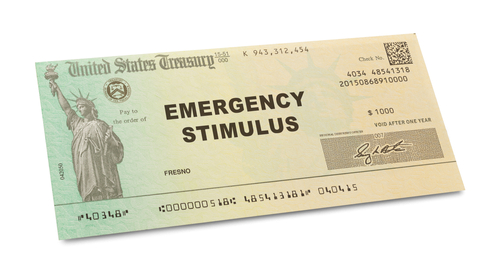
 During the holiday season in December, Congress passed the Consolidated Budget Appropriations Act of 2020. Included in this Act was a tax package that renewed more than 24 tax provisions through what are known as extenders. An extender makes a tax provision effective retroactively. Some of the extender provisions are rather esoteric, so we’ll only focus on those most applicable to the broader taxpayer base.
 In the days ahead, the COVID-19 pandemic will likely be described in economic terms as a Black Swan. This phrase is used to describe an event that: 1) was unpredictable; 2) causes severe and widespread consequences; and 3) in hindsight was determined to be wholly predictable.
 The effect of the coronavirus on our lives is unprecedented. While we’re all sheltering in place while trying to manage our daily tasks, it’s undoubtedly taking a toll on us mentally, physically and financially. Here are some tips to help you weather this storm of economic uncertainty.
 The COVID-19 pandemic has seen a rise in remote working. Even organizations that have always been against it have their employees working from home. With some areas experiencing complete lockdowns, this means you find yourself in an unfamiliar work environment.
 Coronavirus Preparedness and Response Supplemental Appropriations Act, 2020 (HR 6074) – Introduced by Rep. Nita Lowey (D-NY), this was the first bill passed to authorize funding in response to the COVID-19 outbreak. It was introduced on March 4 and signed into law on March 6. The legislation provides $8.3 billion in emergency funding for federal agencies to respond to the coronavirus outbreak. It includes appropriations for the Department of Health and Human Services, the State Department and the Small Business Administration for the development, manufacture and procurement of vaccines and other medical supplies; grants for state, local and tribal public health agencies and organizations; loans for affected small businesses; evacuations and emergency preparedness activities at U.S. embassies and other State Department facilities; and humanitarian assistance and support for health systems in affected countries.
 Over the past six years, domestic crude oil has experienced a volatile ride. 2014 saw the emergence of American shale as producers were attracted to the $114 price levels. However, in 2016 the price for a barrel eventually fell to $27 as a global supply glut developed. 2016 also saw Russia and Saudi Arabia form an oil pact that drew together Russia and OPEC, leading to the so-called OPEC+ to navigate the global oil market. This agreement would eventually culminate into the current crude oil tensions that exist between Saudi Arabia and Russia.