These days, you can’t be too careful when it comes to investments. And if you’re older, you’re a prime target for fraudsters. That said, anyone of any age is vulnerable. Here are a few key things to keep in mind when you’re considering investing.
Ask Lots of Questions
Of course, you’re going to ask questions, but make sure you ask the right ones. Is the product registered with the SEC or state securities agencies? What are the fees? How does the company make money? What things might affect the value of the investment? Are my investment goals aligned with the investment? How liquid is this investment? For more ideas about what questions to ask, check out this comprehensive resource from the U.S. Securities and Exchange Commission.
Do Your Research
And we don’t mean simply Googling them. If you’re thinking about investing in a publicly-traded company, go immediately to the SEC’s EDGAR database. You can look up the prospective company to see if it’s legitimate.
Beware of Unbelievable Returns
If something sounds too good to be true, chances are it is. If you hear that the investment will make “incredible gains,” is a “breakout stock pick” or has a “huge upside and almost no risk,” these are big red flags of fraud. Further, if the salesperson promises a guaranteed return, you know this isn’t true; every equity investment has a modicum of risk.
Resist ‘Act Now’ Offers
If someone tells you that this investment is a once-in-a-lifetime offer and it will be gone tomorrow, walk away. Another scam tactic is one that claims “everyone is investing in X stock, and so should you.” As irresistible as this might sound, don’t succumb to the pressure. It’s a trick.
Avoid Reciprocity
One of the most common lures that tricksters use are free seminars that include lunch. They play on your guilt and figure that if they do something for you, you’ll return the favor and invest. It’s never a good idea to invest on the spot. Take the materials home and do your research. With that said, not every free seminar is bogus. Just follow through with your due diligence and protect yourself.
Know Your Salesperson
We’re not talking “know,” as in you follow them on social media or you have a number of mutual friends and they come highly recommended. But even if you’re connected with them through a seemingly respected company and you “feel” like they’re trustworthy, don’t trust blindly. Check them out at BrokerCheck, an online database maintained by the Financial Industry Regulatory Authority (FINRA). This is a nongovernmental group that watches over securities firms and dealers. Remember: credibility can be faked. Don’t be duped.
Stay Away from Robocalls, Emails and Late Night TV ads
Let’s be honest, legitimate companies don’t reach people this way. However, swindlers can be very persuasive. But stand your ground. Don’t budge. When it comes to seniors, crooks view them as “more trusting” and less likely to say no. The truth is that older people are more often targeted because the supposition is that they have more assets to tap into – aka steal. Don’t let these buggers woo you. Hang up, hit delete or change the TV channel.
If you’ve taken every precaution and you still feel like you need help before you make an investment decision, consult your accountant or financial planner. When it comes to your hard-earned money, it’s worth all the time in the world.
These days, you can’t be too careful when it comes to investments. And if you’re older, you’re a prime target for fraudsters. That said, anyone of any age is vulnerable. Here are a few key things to keep in mind when you’re considering investing.
Ask Lots of Questions
Of course, you’re going to ask questions, but make sure you ask the right ones. Is the product registered with the SEC or state securities agencies? What are the fees? How does the company make money? What things might affect the value of the investment? Are my investment goals aligned with the investment? How liquid is this investment? For more ideas about what questions to ask, check out this comprehensive resource from the U.S. Securities and Exchange Commission.
Do Your Research
And we don’t mean simply Googling them. If you’re thinking about investing in a publicly-traded company, go immediately to the SEC’s EDGAR database. You can look up the prospective company to see if it’s legitimate.
Beware of Unbelievable Returns
If something sounds too good to be true, chances are it is. If you hear that the investment will make “incredible gains,” is a “breakout stock pick” or has a “huge upside and almost no risk,” these are big red flags of fraud. Further, if the salesperson promises a guaranteed return, you know this isn’t true; every equity investment has a modicum of risk.
Resist ‘Act Now’ Offers
If someone tells you that this investment is a once-in-a-lifetime offer and it will be gone tomorrow, walk away. Another scam tactic is one that claims “everyone is investing in X stock, and so should you.” As irresistible as this might sound, don’t succumb to the pressure. It’s a trick.
Avoid Reciprocity
One of the most common lures that tricksters use are free seminars that include lunch. They play on your guilt and figure that if they do something for you, you’ll return the favor and invest. It’s never a good idea to invest on the spot. Take the materials home and do your research. With that said, not every free seminar is bogus. Just follow through with your due diligence and protect yourself.
Know Your Salesperson
We’re not talking “know,” as in you follow them on social media or you have a number of mutual friends and they come highly recommended. But even if you’re connected with them through a seemingly respected company and you “feel” like they’re trustworthy, don’t trust blindly. Check them out at BrokerCheck, an online database maintained by the Financial Industry Regulatory Authority (FINRA). This is a nongovernmental group that watches over securities firms and dealers. Remember: credibility can be faked. Don’t be duped.
Stay Away from Robocalls, Emails and Late Night TV ads
Let’s be honest, legitimate companies don’t reach people this way. However, swindlers can be very persuasive. But stand your ground. Don’t budge. When it comes to seniors, crooks view them as “more trusting” and less likely to say no. The truth is that older people are more often targeted because the supposition is that they have more assets to tap into – aka steal. Don’t let these buggers woo you. Hang up, hit delete or change the TV channel.
If you’ve taken every precaution and you still feel like you need help before you make an investment decision, consult your accountant or financial planner. When it comes to your hard-earned money, it’s worth all the time in the world.
These articles provide general information on tax, accounting, and financial topics for small businesses and individuals. They are educational in nature and are not specific legal, accounting, financial, tax, or other professional advice, and should not be relied upon as such. This content was prepared by Service2Client and may have been reviewed or edited by the website owner for accuracy and compliance. Look for a trust mark below for verification details. No representation is made that any approach described will achieve a particular result, and no regulatory or professional body has reviewed or endorsed this content. Because each situation is different, readers should consult a qualified professional about their specific circumstances before acting. Images accompanying these articles are protected by copyright and may not be copied or reused.
For the most part, smartphones are your lifeline to the world. You connect with friends and family, shop and update your status on social media. However, you also store all your personal information on them and, these days, use them to do your banking. That’s why you need to take precautions. Here are a few critical things to do to make sure your information isn’t compromised.
Protect Your Smartphone
Your desktop and laptop are secure with anti-virus software and firewalls; the same should go for your phone. Here are five basic things you need to do ASAP: 1) Use a 4-digit PIN to lock your screen. If your phone is stolen, it’s harder for a thief to unlock it. Also, check to see if your phone has a feature that allows you to locate and remotely lock or erase data, should you lose it. This is called a “kill switch.” 2) Back up your data. Kind of basic, but it’s always important to be reminded. 3) Use location-based software to find your lost phone. 4) Install an antivirus app and software to erase the contents of a lost phone. And finally, 5) Update your apps to the latest versions and when downloading them, only choose those from publishers you trust.
Create a Strong Password
This is a no-brainer, but it’s imperative. Don’t use any part of your name or numbers from your birthday, or anything remotely personal. Make your password as complex and obscure as you can. Thieves can be smart. Don’t give them any chance to wreak havoc in your life.
Don’t Use Public Wi-Fi to Access Your Bank
Public Wi-Fi doesn’t have heightened levels of security, so make sure you use your phone’s data network or a secured Wi-Fi network when accessing sensitive information. If you don’t do this, you become vulnerable to hackers. You can never be too careful.
Don’t Save Usernames and Passwords in Your Browser
Sometimes, browsers give you the option to save your username and password. As convenient as this is, don’t do this. It could be easy for someone to gain direct access to your bank account if your phone is lost or stolen.
Don’t Follow Links
If you get an email or text from your bank, don’t click. It could be a phishing scam and could lead you to a “spoofed” website, which is a fake site created to look just like your bank’s official site. Always go to your bank’s site directly. Enter your bank’s web address into your phone and bookmark it. This way, you’ll avoid bogus sites and keep your money safe.
Log Out After Use
Even if you haven’t saved your credentials, it’s always important to do this when you’re finished banking. While this is convenient for the next time you do your banking, it’s leaving thieves an easy way in to steal all your assets should you leave your phone unattended, or worse, if it’s lost or stolen.
In a world that’s getting more and more digitized every day, shoring up your personal banking information just makes good sense. No one wants to put all that they’ve worked so hard for in jeopardy.
For the most part, smartphones are your lifeline to the world. You connect with friends and family, shop and update your status on social media. However, you also store all your personal information on them and, these days, use them to do your banking. That’s why you need to take precautions. Here are a few critical things to do to make sure your information isn’t compromised.
Protect Your Smartphone
Your desktop and laptop are secure with anti-virus software and firewalls; the same should go for your phone. Here are five basic things you need to do ASAP: 1) Use a 4-digit PIN to lock your screen. If your phone is stolen, it’s harder for a thief to unlock it. Also, check to see if your phone has a feature that allows you to locate and remotely lock or erase data, should you lose it. This is called a “kill switch.” 2) Back up your data. Kind of basic, but it’s always important to be reminded. 3) Use location-based software to find your lost phone. 4) Install an antivirus app and software to erase the contents of a lost phone. And finally, 5) Update your apps to the latest versions and when downloading them, only choose those from publishers you trust.
Create a Strong Password
This is a no-brainer, but it’s imperative. Don’t use any part of your name or numbers from your birthday, or anything remotely personal. Make your password as complex and obscure as you can. Thieves can be smart. Don’t give them any chance to wreak havoc in your life.
Don’t Use Public Wi-Fi to Access Your Bank
Public Wi-Fi doesn’t have heightened levels of security, so make sure you use your phone’s data network or a secured Wi-Fi network when accessing sensitive information. If you don’t do this, you become vulnerable to hackers. You can never be too careful.
Don’t Save Usernames and Passwords in Your Browser
Sometimes, browsers give you the option to save your username and password. As convenient as this is, don’t do this. It could be easy for someone to gain direct access to your bank account if your phone is lost or stolen.
Don’t Follow Links
If you get an email or text from your bank, don’t click. It could be a phishing scam and could lead you to a “spoofed” website, which is a fake site created to look just like your bank’s official site. Always go to your bank’s site directly. Enter your bank’s web address into your phone and bookmark it. This way, you’ll avoid bogus sites and keep your money safe.
Log Out After Use
Even if you haven’t saved your credentials, it’s always important to do this when you’re finished banking. While this is convenient for the next time you do your banking, it’s leaving thieves an easy way in to steal all your assets should you leave your phone unattended, or worse, if it’s lost or stolen.
In a world that’s getting more and more digitized every day, shoring up your personal banking information just makes good sense. No one wants to put all that they’ve worked so hard for in jeopardy.
These articles provide general information on tax, accounting, and financial topics for small businesses and individuals. They are educational in nature and are not specific legal, accounting, financial, tax, or other professional advice, and should not be relied upon as such. This content was prepared by Service2Client and may have been reviewed or edited by the website owner for accuracy and compliance. Look for a trust mark below for verification details. No representation is made that any approach described will achieve a particular result, and no regulatory or professional body has reviewed or endorsed this content. Because each situation is different, readers should consult a qualified professional about their specific circumstances before acting. Images accompanying these articles are protected by copyright and may not be copied or reused.
Believe it or not, it’s 2020. You’re not just starting a new year, you’re entering a new decade. With this in mind, you might want to make some resolutions that focus on your finances. According to Psychology Today, 80 percent of resolutions fail by February. If you’re thinking about dieting or eating better, this isn’t very encouraging. However, when it comes to your money, there are some changes you can implement now that will have staying power and won’t be forgotten by spring.
Review Your Credit Report
This is important for your financial future in many ways, particularly if you want to buy a house or a car (and that’s just for starters). If you need to make some repairs to your score, the new year is the best time to do this. Better still, you’re entitled to three free reports each year. Check it out. See how you’re doing. You’ve got nothing to lose and everything to gain.
Get Out of Debt
This might be easier said than done, but it’s absolutely possible. One very helpful tool is Unbury.Me. It’s free and easy to use. Just create an account and map out a payment plan that works for you. If you want to wipe away your debt quickly, there’s the avalanche method, which attacks the highest interest rate debts first, then moves to the second highest and so on. But this isn’t the only solution. There’s another tool that actually uses your purchases to help you pay down debt: Qoins. Here’s how it works. You round your purchases to the nearest dollar, then apply the cash to your debt, i.e. student loans or credit cards. So, in essence, you can go on living your life while shrinking your debt.
Evaluate Your Insurance and Disability Insurance Needs
As you age, your insurance needs change. Think about how much protection you really need. For example, would you be better served by term or permanent life insurance? What about disability insurance? For the latter, make sure you have enough coverage. Life happens. It’s always best to be prepared.
Refresh Your Retirement Savings
If you work for a company that offers 401(k), 403(k) or 457 plans, consider asking your employer to withhold enough through salary deferrals to make sure you reach the maximum limit each year. If you’re over 50, you can raise the amount to make catch-up contributions. If you’re self-employed, you can contribute to a SEP IRA, profit-sharing plan or independent 401(k) plan. Making retirement deductions from your paychecks, especially when they’re maxed out, might take a bit of getting used to. But once you’ve retired, you’ll be very glad you had the foresight to act now.
Truth is that the above resolutions are just the tip of the moneyberg. You can go deeper into each area. If you want further assistance, consult a financial planner or your accountant. But the biggest takeaway from all these suggestions is simple: begin now, or as soon as you can. When you’re making the most of your money today, you’re working toward a more secure tomorrow.
4 Financial New Years Resolutions You Can Actually Keep
January 1, 2020 · Blog, Tip of the Month
⏱ 4 min read
Believe it or not, it’s 2020. You’re not just starting a new year, you’re entering a new decade. With this in mind, you might want to make some resolutions that focus on your finances. According to Psychology Today, 80 percent of resolutions fail by February. If you’re thinking about dieting or eating better, this isn’t very encouraging. However, when it comes to your money, there are some changes you can implement now that will have staying power and won’t be forgotten by spring.
Review Your Credit Report
This is important for your financial future in many ways, particularly if you want to buy a house or a car (and that’s just for starters). If you need to make some repairs to your score, the new year is the best time to do this. Better still, you’re entitled to three free reports each year. Check it out. See how you’re doing. You’ve got nothing to lose and everything to gain.
Get Out of Debt
This might be easier said than done, but it’s absolutely possible. One very helpful tool is Unbury.Me. It’s free and easy to use. Just create an account and map out a payment plan that works for you. If you want to wipe away your debt quickly, there’s the avalanche method, which attacks the highest interest rate debts first, then moves to the second highest and so on. But this isn’t the only solution. There’s another tool that actually uses your purchases to help you pay down debt: Qoins. Here’s how it works. You round your purchases to the nearest dollar, then apply the cash to your debt, i.e. student loans or credit cards. So, in essence, you can go on living your life while shrinking your debt.
Evaluate Your Insurance and Disability Insurance Needs
As you age, your insurance needs change. Think about how much protection you really need. For example, would you be better served by term or permanent life insurance? What about disability insurance? For the latter, make sure you have enough coverage. Life happens. It’s always best to be prepared.
Refresh Your Retirement Savings
If you work for a company that offers 401(k), 403(k) or 457 plans, consider asking your employer to withhold enough through salary deferrals to make sure you reach the maximum limit each year. If you’re over 50, you can raise the amount to make catch-up contributions. If you’re self-employed, you can contribute to a SEP IRA, profit-sharing plan or independent 401(k) plan. Making retirement deductions from your paychecks, especially when they’re maxed out, might take a bit of getting used to. But once you’ve retired, you’ll be very glad you had the foresight to act now.
Truth is that the above resolutions are just the tip of the moneyberg. You can go deeper into each area. If you want further assistance, consult a financial planner or your accountant. But the biggest takeaway from all these suggestions is simple: begin now, or as soon as you can. When you’re making the most of your money today, you’re working toward a more secure tomorrow.
These articles provide general information on tax, accounting, and financial topics for small businesses and individuals. They are educational in nature and are not specific legal, accounting, financial, tax, or other professional advice, and should not be relied upon as such. This content was prepared by Service2Client and may have been reviewed or edited by the website owner for accuracy and compliance. Look for a trust mark below for verification details. No representation is made that any approach described will achieve a particular result, and no regulatory or professional body has reviewed or endorsed this content. Because each situation is different, readers should consult a qualified professional about their specific circumstances before acting. Images accompanying these articles are protected by copyright and may not be copied or reused.

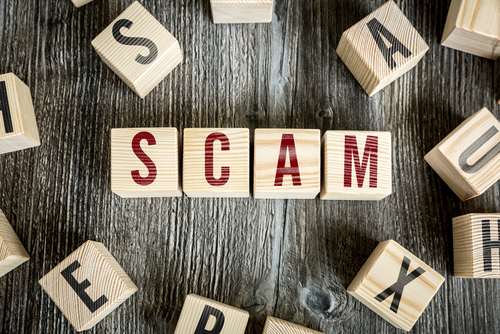 These days, you can’t be too careful when it comes to investments. And if you’re older, you’re a prime target for fraudsters. That said, anyone of any age is vulnerable. Here are a few key things to keep in mind when you’re considering investing.




 For the most part, smartphones are your lifeline to the world. You connect with friends and family, shop and update your status on social media. However, you also store all your personal information on them and, these days, use them to do your banking. That’s why you need to take precautions. Here are a few critical things to do to make sure your information isn’t compromised.
 Believe it or not, it’s 2020. You’re not just starting a new year, you’re entering a new decade. With this in mind, you might want to make some resolutions that focus on your finances. According to Psychology Today,